Karachi continues to face severe water shortages despite repair work
KARACHI: Despite efforts by the Karachi Water and Sewerage Corporation (KWSC) to address the ongoing water crisis, many areas in Karachi continue to suffer from severe water shortages. The crisis began after the rupture of an 84-inch main on the Karachi University campus on April 29. While the repair work was completed, the water supply has not yet been restored to normal due to issues with low water pressure during the filling of the repaired line.
Despite Sindh Chief Minister Syed Murad Ali Shah’s instructions to restore the supply, several localities have faced shortages for over 12 days, with many residents in neighborhoods like Gulshan-i-Iqbal, Sheme-33, PECHS, and Korangi left without water. The city, which typically requires 1,200 million gallons of water daily, has been receiving only about 400 million gallons, causing great hardship, particularly in the intense heat.
Residents have been forced to purchase water at inflated prices, with some localities experiencing very brief and low-pressure water supply, leaving them with only minimal amounts of water. KWSC officials maintain that supply has been restored to most areas, but many residents dispute this, citing the ongoing lack of water in their taps.
The situation remains dire, with leaks in main water lines adding to the challenge, and it may take several more days before normal supply resumes.
Karachi continues to grapple with severe water shortages, despite ongoing repair efforts and infrastructure improvements.
Persistent Water Shortages Amid Repair Efforts
Recent repair work on a critical 84-inch water supply line along University Road, which had ruptured multiple times, was completed in December 2024. However, residents in areas such as Clifton, Gulshan-i-Iqbal, and Liaquatabad continued to experience acute water shortages due to the extended disruption and subsequent delays in restoring full supply .
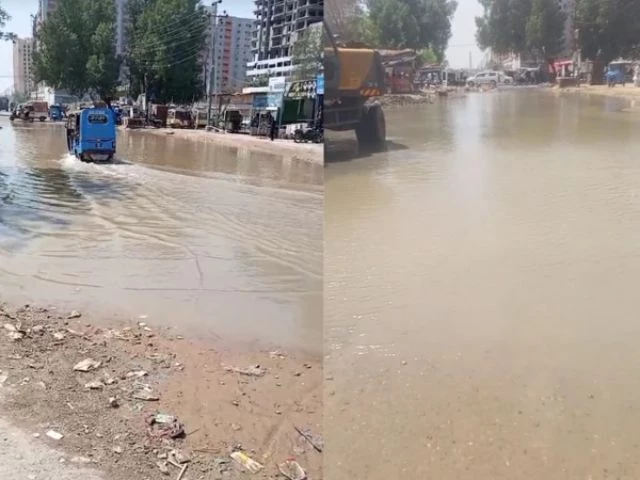
Similarly, in February 2025, the Karachi Water and Sewerage Corporation (KWSC) initiated repairs on two major pipelines, leading to a 40% reduction in the city's daily water supply. Although repairs were expected to conclude within 72 hours, the restoration process extended beyond the anticipated timeframe, leaving many neighborhoods without adequate water supply .
Infrastructure Challenges and Systemic Issues
The city's water woes are compounded by systemic issues, including outdated infrastructure and frequent power breakdowns. In January 2025, a significant power failure at the Dhabeji Pumping Station halted operations, resulting in a 100 million gallon per day (MGD) shortfall. While power was restored promptly, the incident highlighted the vulnerability of Karachi's water supply system to infrastructural failures .
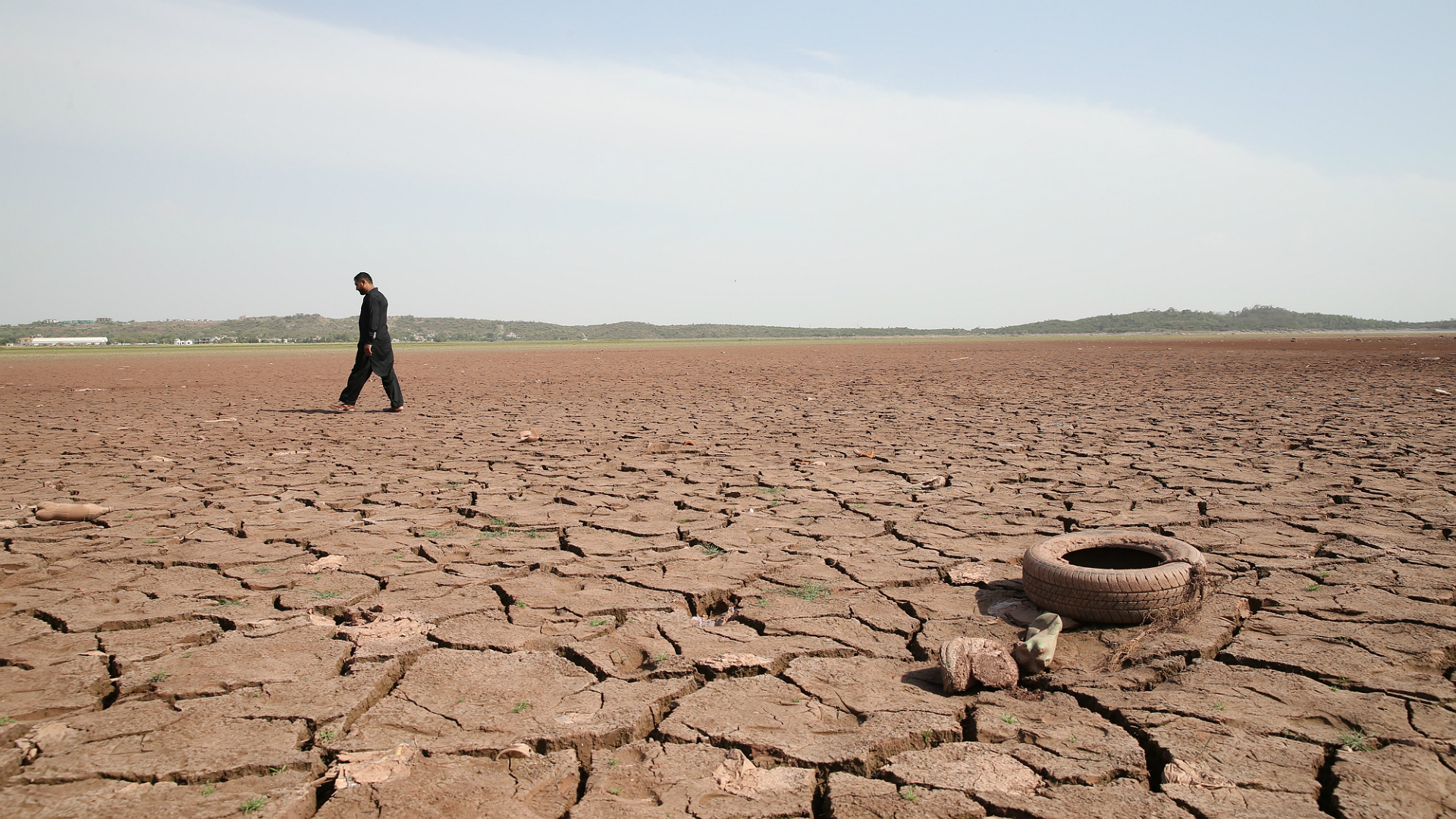
Additionally, the Karachi Water and Sewerage Corporation (KWSC) has acknowledged that the city's total water demand is approximately 1,200 MGD, but only about 600 MGD is available, with actual usable supply further reduced due to system inefficiencies and leaks .
Long-Term Solutions and the K-IV Project
Experts suggest that Karachi's water crisis will persist until the completion of the K-IV bulk water supply project, which aims to deliver an additional 650 MGD to the city. However, delays in project implementation and ongoing maintenance issues continue to hinder progress .
In the interim, residents are advised to store water in advance and use it judiciously to mitigate the impact of ongoing shortages.


Comments
Post a Comment